 ← All Projects
Automotive Brand Launch
← All Projects
Automotive Brand Launch
Changan South Africa
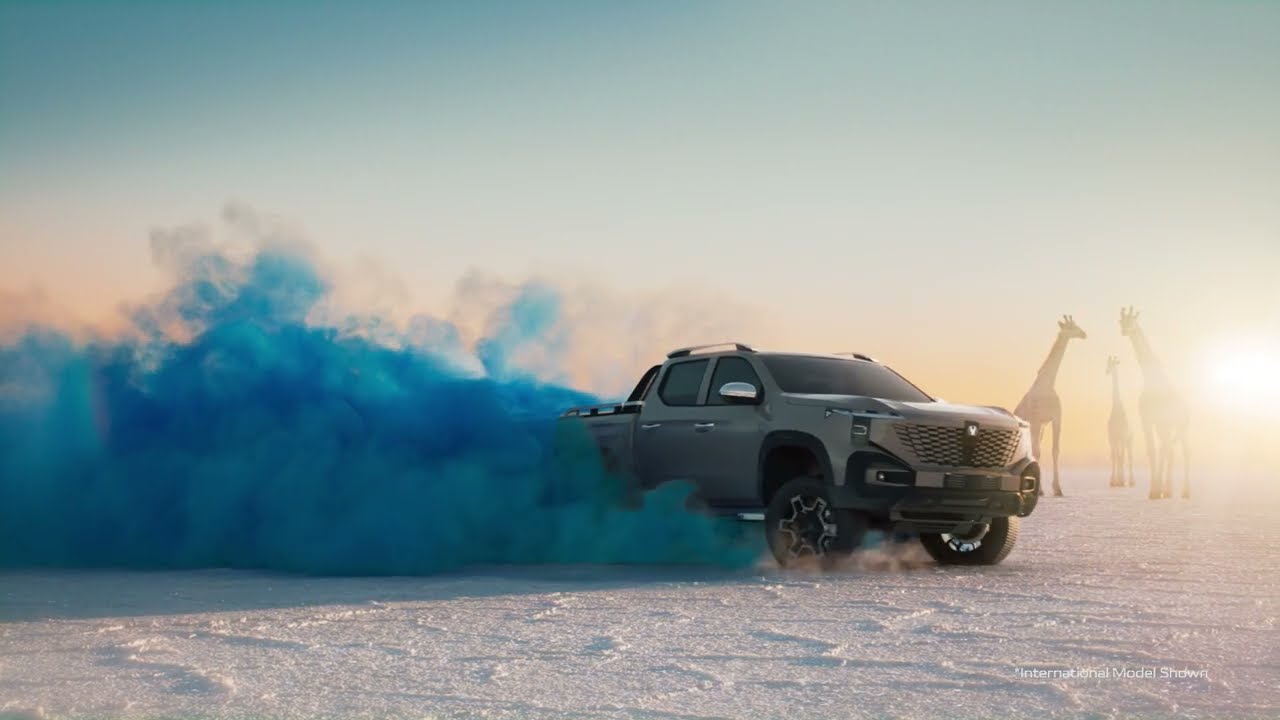
CG Supervisor and Director of Photography on Changan's 2026 South Africa brand launch campaign, produced at Luma Animation. The full CG pipeline covered hero vehicle renders, CG environment builds, Houdini FX, and Nuke compositing. Serving as DoP on the same project, overseeing the live-action shoot as well as the CG pipeline, made this an unusually end-to-end creative and technical engagement.
Welcome To The Evolution — Changan South Africa Brand Launch
Dual Role: CG Supervisor & Director of Photography
Taking on both the CG Supervisor and Director of Photography roles on the same production is an unusual position. It meant ownership of the project from the camera through to the final composite. As DoP, I led the live-action shoot: working with the director on lens choices, lighting setups, and camera movement to ensure the footage would cut together cleanly with CG in post. As CG Supervisor at Luma Animation, I then oversaw the full downstream pipeline: briefing artists, managing look development, and signing off on every frame before delivery.
Full CG Pipeline
The CG scope covered the full pipeline from asset through to final composite. Hero vehicle renders were built and shaded in Maya, lit and rendered in Karma, with Houdini handling environment builds and FX work: atmospheric elements, surface interactions, and motion dynamics. Final compositing was done in Nuke, integrating CG elements with the live-action plates and delivering across the full range of broadcast and digital formats required for a national brand launch.
Why the Crossover Mattered
Most automotive launch campaigns hand the live shoot and the CG pass to two different teams who never share notes. Owning both meant lens choices on set were already informed by what the CG vehicle would need in post: matched focal lengths, height and parallax that would let CG cars sit naturally on real roads, and lighting setups designed so HDRI capture and reference photography would translate cleanly into Karma. It also meant the post pipeline never inherited problems the camera could have solved, and every plate landed at Luma already pre-budgeted for what the CG side could realistically lift. For a national brand launch on a campaign timeline, removing that handoff friction was the difference between hitting delivery and overrunning.
Open to EU and UK supervision roles from Q3 2026.
Contact Me →