 ← All Projects
Netflix Series
← All Projects
Netflix Series
Kings of Jo'burg Season 3
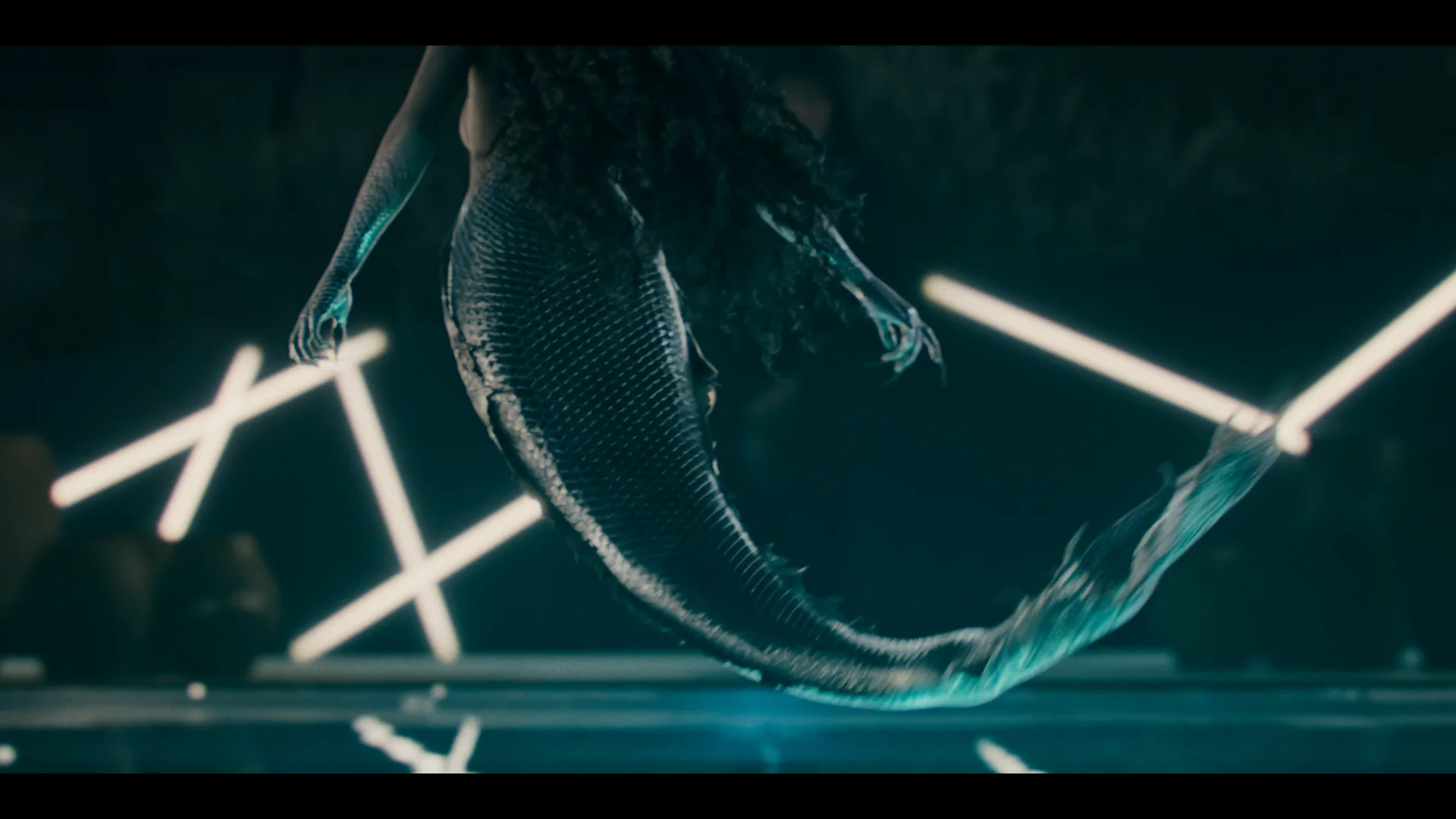
VFX & CG Supervisor for Season 3 of the Netflix supernatural crime series, embedded from principal photography through to picture lock. On a tight TV budget, Luma Animation served as principal VFX studio across roughly 85 shots in 7 sequences: photoreal creature work and digital environments from Jo'burg cityscapes to underwater worlds.
VFX Breakdown — Luma Animation
Official Trailer — Netflix
On-Set Supervision
Before cameras rolled, we invested in storyboards, previs, and concept art for every major VFX sequence, essential on a tight budget. On set I handled camera and lighting guidance for VFX-heavy scenes, tracking markers, HDRI capture, and reference photography, working daily with the DoP, the art department, and showrunner Samad Davis.
Post-Production & Creative Direction
Oversaw the pipeline from matchmove to final delivery, coordinating animation, FX, lighting, and compositing leads. To stretch the budget, I executed key hero shots in lighting and compositing myself, keeping quality high where it mattered most.
In the Edit Suite
Embedded from set through picture lock, including real time in the cutting room with showrunner Samad Davis and the editor: pacing, sequence structure, and how the VFX beats played against the cut. Every sequence was designed against actual creative intent, not reverse-engineered from a locked cut.
Technical Pipeline
LIDAR scans of key environments let the 3D team match camera moves precisely against real locations, and a USD-based pipeline moved assets between Houdini and Maya without data loss. The biggest challenge was "Mo," the full digital double for the final battle: roughly two months from scan to final, with photoreal skin, cloth, and performance that had to hold up in close-up.
Press & Coverage
Open to EU and UK supervision roles from October 2026.
Contact Me →